You hear someone at home say, “Today is Sochelnik; we will wait for the first star.” You wonder what this day means and whether you really cannot eat anything until evening.
Sochelnik is the eve of Christmas or Theophany. In the calendar commonly used by the Russian Orthodox Church, these dates are January 6 and January 18. Put simply, it is a day to prepare for the feast: you can attend a service, pray and spend some quiet time at home with loved ones.
What does the word Sochelnik mean?
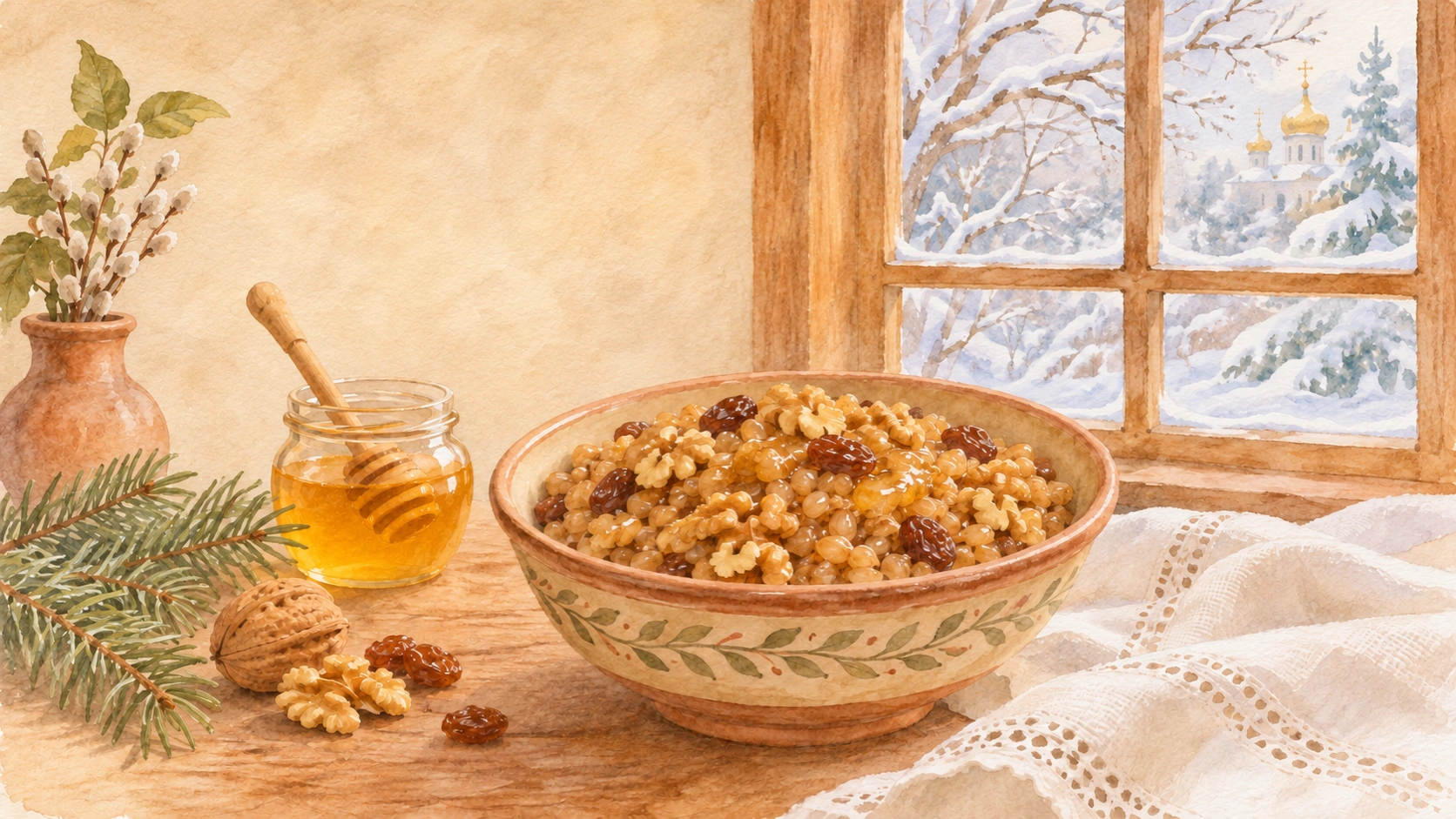
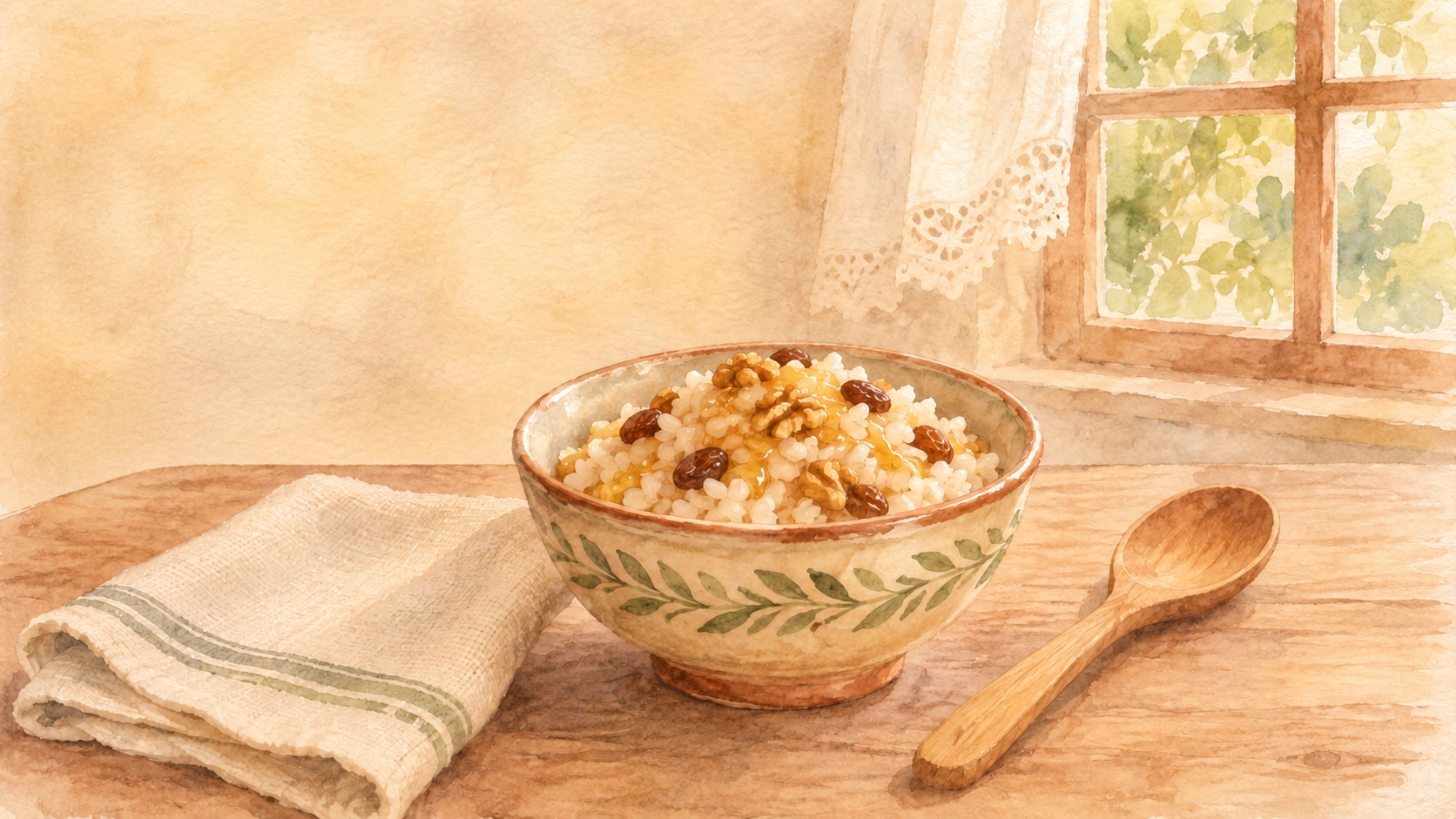
The name comes from sochivo, a dish of wheat or rice with honey, nuts and raisins. That is the origin of this unfamiliar word. If you come across it in conversation or in a book, it refers to the day before one of these two feasts.
You can make sochivo at home if you would like to discover the tradition through a simple dish. But you can welcome the feast even without sochivo on your table. Try not to turn preparation into an anxious search for the right ingredients: the meaning of this day goes beyond what is served for dinner.
Why are there two such days?
Christmas Eve falls on January 6, before the Nativity of Christ. The eve of Theophany falls on January 18, before the feast of the Baptism of the Lord. The days share a name but prepare for different events: Christmas concerns the birth of Jesus Christ, and Theophany His baptism in the Jordan.
So if you want to check service times, it helps to specify which eve you mean. The word refers to the eve of the feast, rather than just the evening meal. You can find both days in the church calendar and think ahead about how you would like to spend them.
Must you wait for the first star?
Traditionally, people eat little before the evening service. The expression “until the first star” comes from a folk custom: the star recalls the Star of Bethlehem and the Nativity of Christ. It is not a Church rule requiring everyone to go without food all day.
If you are just beginning to fast, do not use this phrase to set yourself a strict fast on your own. Ask a priest how to spend the day in a way that takes your strength and circumstances into account. Discussing a suitable fast is more useful than arguing at home about whether it is dark enough outside yet.
How to spend Sochelnik peacefully
You do not have to fit everything into a single day. Choose what you can manage and what will help you approach the feast attentively. If you live with loved ones, agree on your plans beforehand: when you will go to church, who will prepare the food and when you can be together.
- Check the schedule at the church you plan to visit.
- Set aside a little time for prayer and quiet among your everyday tasks.
- If you want to make sochivo, choose wheat or rice with honey, nuts and raisins.
- Discuss how to fast with a priest if you are unsure.
- Do not reproach loved ones if they spend the day differently.
If this is your first Sochelnik
You can start small: learn which feast is approaching, visit a church or set aside time to pray at home. You do not have to learn every family custom in one evening. Let your preparation leave room for attention to God and a kind conversation with those around you.
If you would like to learn more, read about the Nativity Fast for beginners and how to use the church calendar. With a personal question, you can ask Father Peter: feel free to begin with the simplest things.