

Christmas is almost here, and your mind is full of groceries, presents and unfinished tasks. You want to prepare for the feast, yet another day disappears into shopping.
You can keep the last week of the Nativity Fast simple: plan your meals and make time for church, reconciliation and helping someone. January 2–6 are the strictest days of the fast, with no fish. This is the forefeast, a time of preparation for Christmas; January 6 is Christmas Eve.
What can you eat in the final days of the fast?
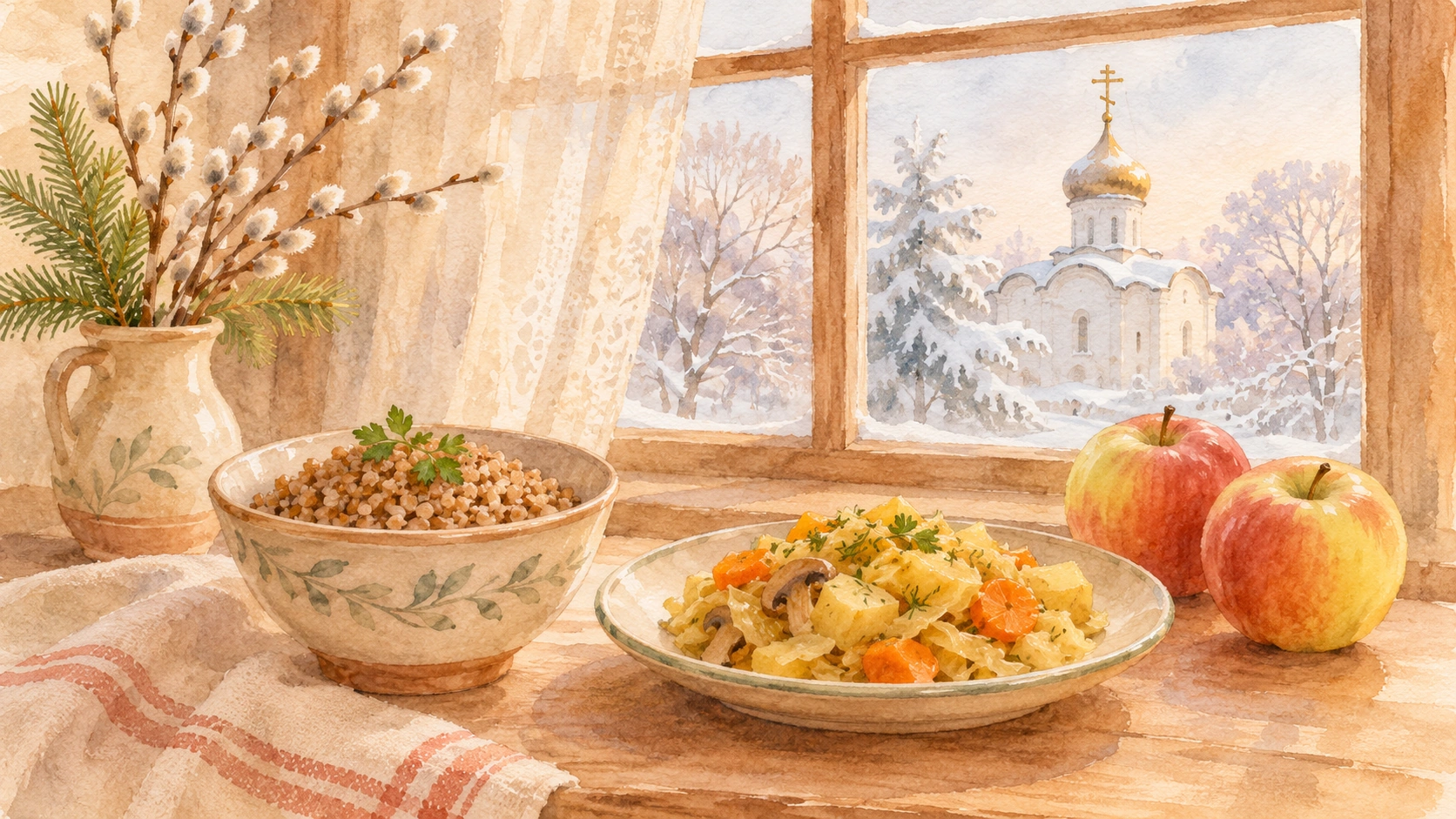
If you are looking for what you can eat during the last week of the Nativity Fast, the basic guide is plant-based food, without meat, dairy products, eggs or fish. Grains, vegetables, pulses and fruit are suitable for everyday meals at home. Questions about oil and your own level of fasting are best discussed with a priest rather than settled by a random chart online.
You do not have to search for elaborate fasting recipes. Choose familiar dishes that are easy to prepare and buy the ingredients ahead of time. That way, dinner will not take over your thoughts every evening. If an illness restricts your diet, discuss your meals with a doctor and a manageable way of fasting with a priest.
How can you make time for confession and Communion?
Check your church’s schedule ahead of time and find out when confession is available. If you want to receive Communion, speak with a priest about preparation. Do not try to guess every rule yourself or squeeze confession between two urgent shopping trips.
To prepare for confession, you can quietly consider what you want to repent of: whom you have hurt, where you have lied, what habit you want to give up. Speak about your own actions in simple words. If you have never been to confession, tell the priest that: you can ask for help.
Whom could you reconcile with, and whom could you help?
Think of someone you have been putting off speaking with. You can acknowledge your harshness, ask forgiveness for a specific action or follow through on a promise. Do not demand an immediate reply or an equivalent gesture in return. Reconciliation does not always happen in a single conversation.
Help can also be small and practical: bring groceries, help with household tasks or call someone who is lonely. It is better to ask first what the person needs right now. Choose something manageable for which you really have the time and energy.

How can you avoid getting lost in shopping?
Presents and a festive meal can bring joy. But if preparations turn into an endless list, try shortening it. What could you buy in a simpler form, ask loved ones to handle or leave out altogether? Discuss this calmly at home, without reproaching anyone who imagines the celebration differently.
- Make a short shopping list and set aside a specific time for it.
- Put the service, confession and preparation for Communion in your schedule if you plan to receive Communion.
- Choose one practical act of help and one step toward reconciliation.
- Leave a little quiet time in the evening for prayer, away from your phone and holiday lists.
How can you approach Christmas Eve?
January 6 is Christmas Eve. Try not to leave every remaining task for that day. Check the service schedule in advance and agree with loved ones about household duties. If you do not finish everything, you can welcome the feast with a simpler meal. Do not turn the final days of the fast into an exam: return to the kind step you can take today.
For more guidance, read about the Nativity Fast for beginners and whether fish, honey, chocolate and wine are allowed during a fast. You can also ask Father Peter your own question. May these days leave room for the quiet anticipation of Christmas.

