

Over a cup of tea, someone close to you says they believe in God. You listen and wonder what lies behind those words and why it matters so much to them.
People come to faith through questions about life's meaning, the beauty of the world, encounters with believers and reading the Gospel. For a Christian, faith means trusting God, rather than abandoning reason. No single explanation describes everyone's path.
Where faith begins
One person asks what they live for and what makes their choices good. Another pauses before the beauty of the sky or a forest and feels gratitude. A third meets a believer who listens well and helps without expecting anything in return. Such experiences can awaken a wish to learn more about God.
The beauty of the world does not force anyone to believe. Nor can someone else's example replace your own decision. But such encounters can open up a question you had previously set aside. You can explore it calmly, without rushing or feeling obliged to call yourself a believer straight away.
Can you believe and still ask questions?
Yes. Trust does not require you to pretend that you understand everything. You can read, reflect, ask what unfamiliar words mean and speak about your doubts. The Epistle to the Hebrews describes faith this way:
«Now faith is the substance of things hoped for, the evidence of things not seen.»
Hebrews / Chapter 11 / Verse 1
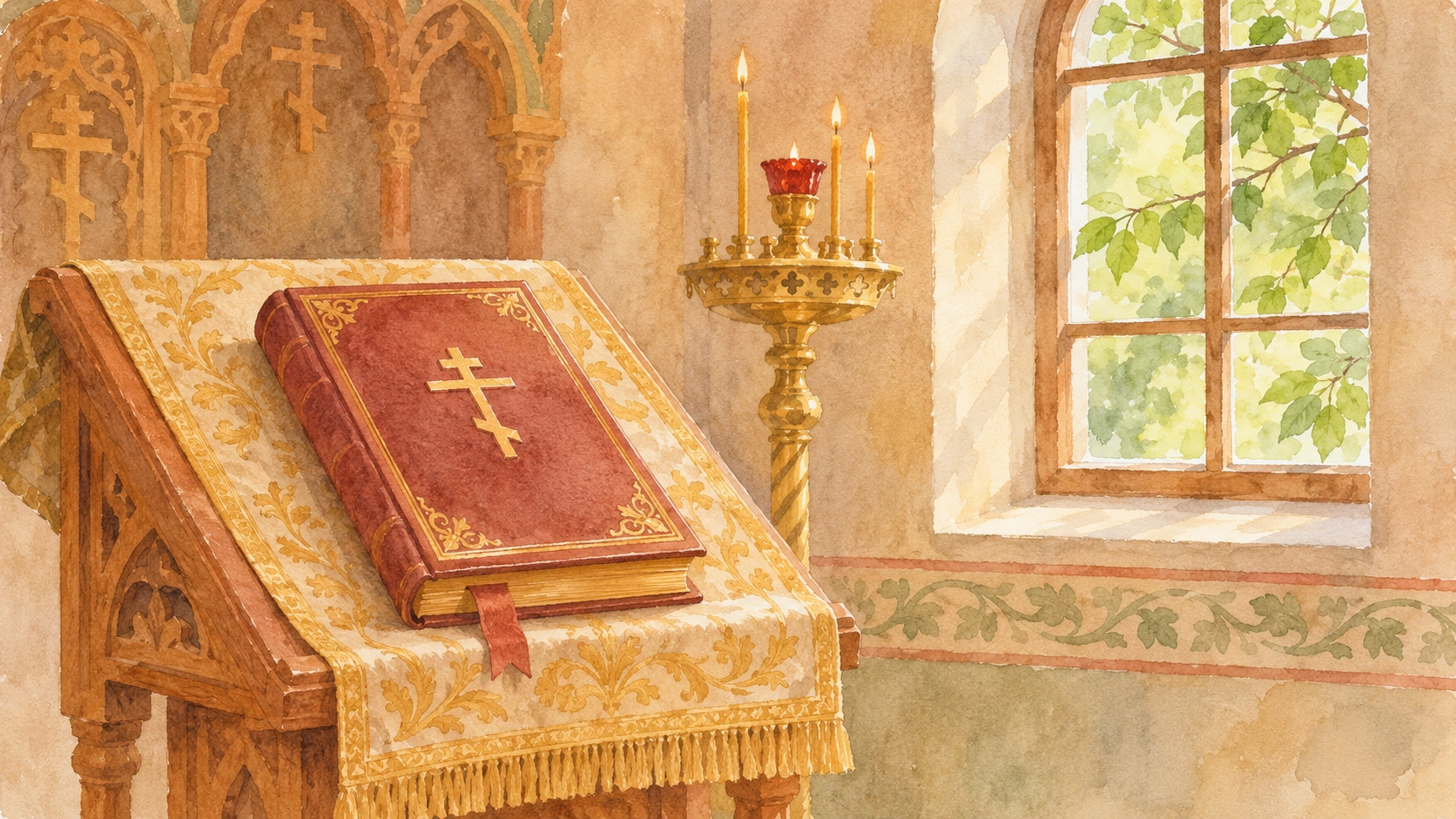
This speaks of trust in Someone you cannot see as you would an ordinary object. It is not a call to stop thinking. The question ‘Why do I believe?’ can stay with you beyond your first steps. An honest ‘I don't understand yet’ is better than an answer you repeat only for fear of not belonging.
What faith in God offers
For a Christian, faith is connected with a relationship with God. It gives life a direction: learning to love, noticing your neighbor, asking forgiveness and giving thanks. In everyday choices, this can be simple: how can I reply without cruelty, whom can I help, where can I admit my mistake?
If you are asking what faith is for, you do not have to look only for practical benefits. For a believer, trust in God matters in itself. Faith does not promise an easy life, constant peace or the fulfillment of every wish. Caring for loved ones and taking responsibility for your actions remain part of life.

Talking with people who do not believe
You can share your experience if the other person wants to hear it. There is no need to turn the conversation into a competition or win an admission that you are right. If you do not believe yet yourself, you do not have to justify your questions either. Respect helps people hear one another even when their views differ.
Where to start if you are curious
- Write down a question about faith that matters to you, without trying to find the ‘right’ words.
- Read a short passage from the Gospel. Notice what Christ says and how He treats people.
- Talk with a priest or a believer you know who is willing to listen calmly. You can say openly that you still have doubts.
- Give yourself time to think about what you have read and heard. Do not demand an immediate feeling of certainty from yourself.
If you would like to continue, read about what faith is and what Christianity is about. You can also bring your own question here and ask Father Peter. You can begin the conversation wherever you are right now.

